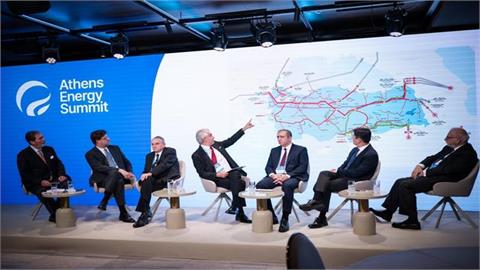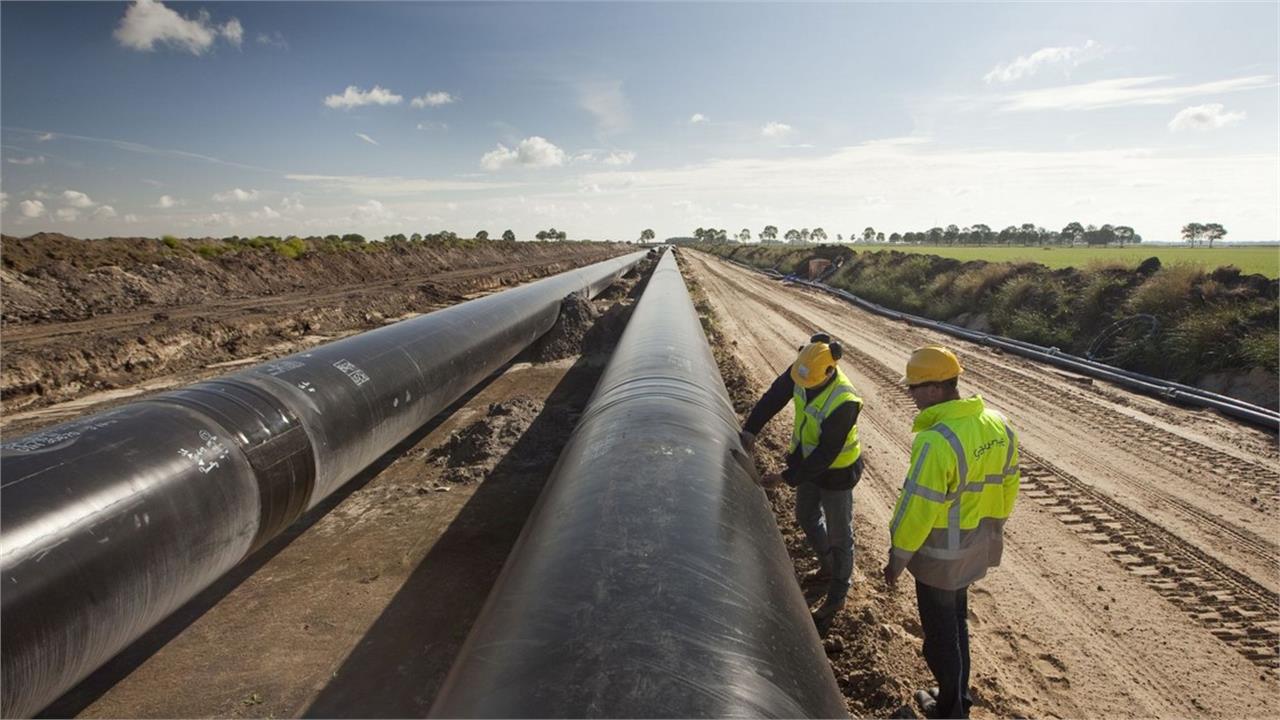
Earlier this month the Athens daily, To Vima, published in its Sunday edition of December 14 an article on the Vertical Corridor (VC) by Costis Stambolis, Chairman of IENE. As Costis describes in this detailed analysis, the VC is a major undertaking backed by most Gas Transmission Operators in South East Europe with the aim of facilitating the transfer of sizeable gas volumes from the south part of the region to the north. The concept of the VC was first elaborated in 2014 by Prof.Yiannis Maniatis, now a Euro MP, when he was Greece’s Environment and Energy Minister. With his colleagues from Bulgaria and Romania Maniatis came into an agreement for promoting a seamless gas link to take gas from Greece and deliver it to Bulgaria and Romania and further north.
The new gas corridor was to be created by largely using existing infrastructure, to be supplemented with new pipeline segments as required. The operation of the VC would rely on a series of shipment protocols to be established between the Gas Operators across the region. The Institute of Energy for SE Europe (IENE) followed suit with an initial strategy type study which was completed in May 2015 (here).
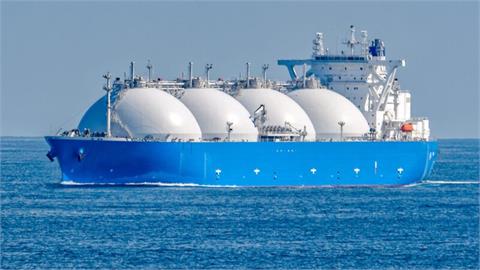
Thanks to consistent efforts by Greece’s Gas Transmission Operator (DESFA) in cooperation with counterparts in Bulgaria ( Bulgartransgaz) and Romania ( Transgaz) and operators from Hungary,Slovakia, Moldova and Ukraine the first quantities of gas originating from LNG and unloaded in gas terminals in Greece,are now being shipped,via the VC, north up to Ukraine. This initial operating stage of the VC coincided with the expression of strong interest from American LNG producers to supply SE Europe and Ukraine in particular with increased amounts of gas. In this context the availability of the VC came handy as an alternative gas route transcending the east part of the Balkans.
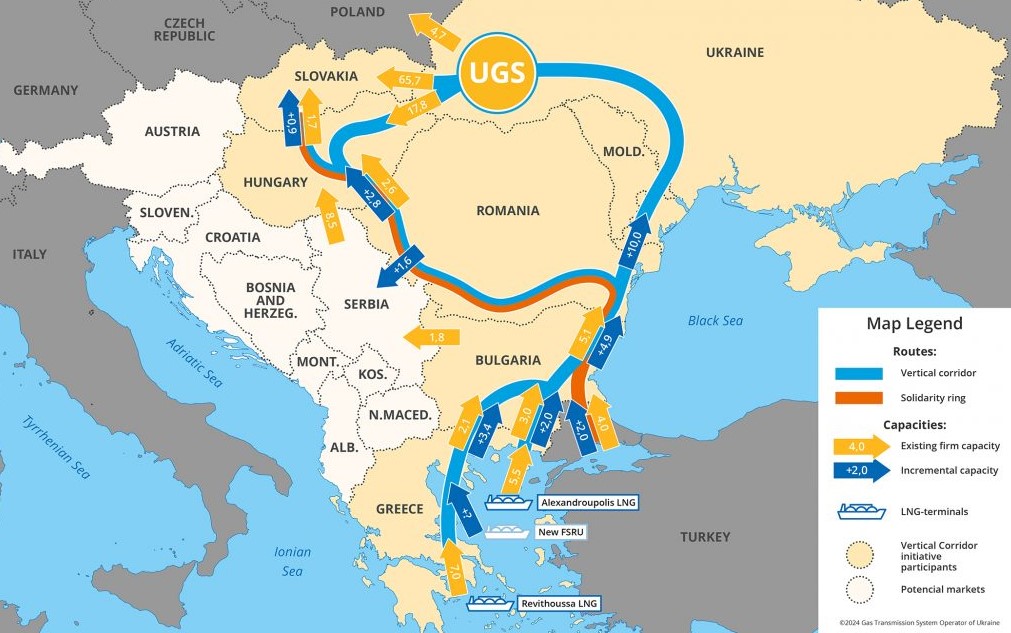
However, the VC cannot yet operate in its full capacity as a much needed branch pipeline which will ease bottlenecks is under construction in Bulgaria and slated for completion at the end of 2026. Also, plans are in progress to revive the currently idle Trans Balkan Pipeline, already included in the recently announced EU’ s eight major energy highways. The idea is to revamp the Trans Balkan, make it fully operational once again and integrate it in reverse flow to the VC. This will really enhance the operation of the VC by providing a parallel to the existing route while doubling its present capacity. Hence,a lot of work remains to be done over the next few months in order to make the VC a commercially attractive proposition and at the same time provide a new major energy artery in SE Europe. The prospects for implementing such an ambitious project now look a lot better than ever before.