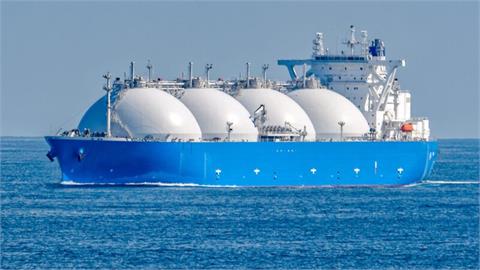
The latest conflict in the Middle East, following the attack of February 28 on Iran by the combined US-Israel forces, has highlighted the vulnerability of LNG supply given Qatar’s key role as global producer of the super cooled liquid. The recent halting of production by Qatar’s Gas and the subsequent closure of its facilities for security reasons following Iranian drone strikes, combined with the difficulties of passage for LNG vessels through the Straits of Hormuz, have send European and Asian gas prices soaring. European gas prices in particular were also affected by the record low storage levels in several EU countries.
Consequently, Europe’s gas price benchmark TTF rose over 50 per cent during intraday trading of March 2, before closing 39 per cent higher at €44.52/MWh, in the biggest daily percentage move in more than four years. Then on March 9 the price at TTF rose further at €56.453/MWh, before easing to €49/MWH on March 10. These turbulent market conditions are bound to affect LNG trading in the medium term, with higher prices affecting deliveries of contracted volumes throughout SE Europe and the East Mediterranean.
In view of the fact that the East Mediterranean is emerging as an important geographical and trading area for energy supply in the SEE region, the latest IENE analysis, which is available here and was prepared well before the latest crisis, helps to explain the LNG market dynamics involved.